Do Salt-Free Water Softeners Work for Well Water?
A Complete Guide (2026)
Well water is a popular source of household water, especially in rural areas. However, many well owners struggle with hard water problems caused by minerals like calcium and magnesium. These minerals can create scale buildup, reduce appliance efficiency, leave spots on fixtures, and affect the overall feel of water.
Traditional salt-based softeners have been the most popular choice to use in hard water, but more and more households are seeking options that do not need as much maintenance and do not introduce sodium to wastewater. This has brought about the interest in salt-free water softeners in well water.
But are salt-free water softeners effective with well water? The solution lies in your water quality, mineral content, and expectations. This comprehensive 2026 guide describes the functionality of salt-free systems, its advantages, restrictions, and the suitability to your home.
Understanding Hard Well Water Problems
Naturally occurring minerals are often absorbed by well water as it flows through underground rock and soil. The higher the concentration of dissolved minerals, the harder the water.
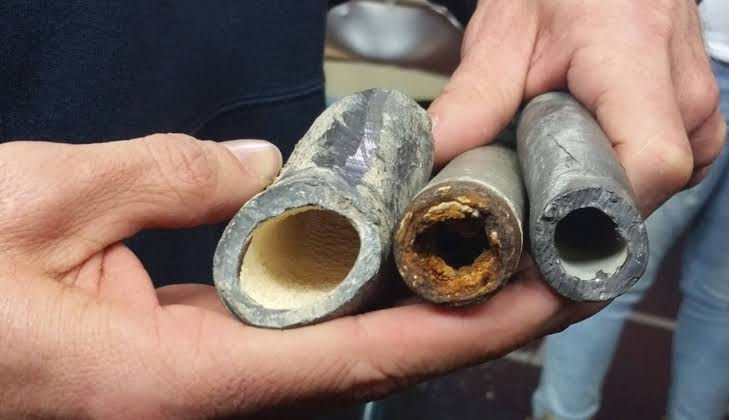
Typical symptoms of hard well water are:
· Faucets and showerheads have white scale deposits
· Soap is difficult to lather
· After bathing, dry skin and flat-looking hair are the results
· There is an accumulation of minerals in water heaters and appliances
· Sinks, tubs, and glass have surface stains
Well water may be of very different quality depending on the property, compared to city water. There are those wells that are moderately hard and those that are rich in iron, sulfur, manganese, or other pollutants.
Homeowners must conduct a professional well water test before deciding on the type of water treatment system they use in order to know the precise state of their water.
How Salt-Free Water Softeners Work
Salt-free water softeners are different from traditional water softening systems. They do not take calcium and magnesium out of the water, but rather, they employ a method known as Template Assisted Crystallization (TAC).
In this process, minerals are converted into small crystal particles that are suspended in the water. These crystals are unlikely to adhere to plumbing, fixtures, and appliances, which helps to minimize scale.
A salt-free system does not:
· Remove hardness minerals
· Regenerate using salt
· Create wastewater
But it will often require electricity.
Because the minerals remain in the water, the water is technically not softened. Instead, it is conditioned to reduce the negative effects of hard water.
Do Salt-Free Water Softeners Work for Well Water?
Salt-free water softeners may be used with well water, although the performance of the system is determined by the quality of the water flowing into it.
A salt-free conditioner can be used to reduce the formation of scales and protect the plumbing systems in well water with moderate hardness and low contaminant levels. Most homeowners observe a reduced number of mineral deposits on fixtures and improved performance of appliances.
A salt-free system is most effective when:
· Hardness of water is manageable
· The well water is properly tested
· Sediment and contaminants are controlled
· The homeowner desires scale prevention and not total removal of minerals
Salt-Free vs. Traditional Salt-Based Water Softeners
The biggest difference between these systems is how they handle hardness minerals. Salt-based water softeners are ion exchange-based water softeners that remove calcium and magnesium in water. They substitute these minerals with sodium or potassium ions and make truly softened water.
Salt-free systems, however, retain the minerals in the water but modify their behavior to minimize scaling.
Salt-based systems are commonly used in homes with:
· Very hard well water
· Significant mineral buildup
· Problems of high usage of soap
· Certain water softness preferences
Salt-free systems may be better suited for homeowners who want:
· Low maintenance
· No salt consumption
· Environmentally friendly operation
· Reduced scale buildup
The correct choice will be based on your water objectives and well water quality.
Benefits of Using a Salt-Free Water Softener for Well Water
A salt-free water conditioner can have a number of benefits to well owners.
Low maintenance is one of the advantages. These systems do not need salt bags, regeneration cycles, and frequent cleaning, as opposed to traditional softeners.
They are environmentally friendly as they do not release salty wastewater into the environment or septic systems.
Other benefits include:
· Longer appliance lifespan by reducing scale buildup
· No sodium added in drinking water
· Reduced operating expenses in the long run
· Easy installation compared to many traditional systems
Salt-free systems may be a good choice among homeowners seeking a cleaner and more environmentally friendly way of dealing with hard water.
Limitations of Salt-Free Water Softeners for Well Water
Although salt-free water softeners have numerous advantages, they may not apply to all wells.

The greatest drawback is that they fail to eliminate minerals or contaminants. When your well water has iron, sulfur odor, bacteria, and sediment, you will require extra filtration equipment.
Very high levels of hardness may also be a problem for salt-free systems. Severe scale issues may necessitate a conventional water softener or a combination treatment system in homes.
It is important to understand that a salt-free conditioner improves water performance but does not produce the same results as a true softener.
What to Check Before Installing a Salt-Free System
Test your water quality before investing in a salt-free water softener for well water.
A complete water analysis should check:
· Hardness level
· Iron content
· Manganese levels
· pH balance
· Sediment levels
· Sulfur and other smells
The results of your water tests will assist in finding out whether a salt-free system suffices or if you will require extra treatment.
Is a Salt-Free Water Softener the Right Choice in 2026?
In 2026, most homeowners will opt to install water treatment systems that are less maintenance-intensive and those with less environmental impact. Salt-free water conditioners are gaining popularity due to their ability to provide easy scale control without the use of salt.
These systems can deliver great results in homes that have moderately hard well water. They are particularly helpful to homeowners who desire to have protection of their appliances without constant service of traditional softeners.
Nevertheless, serious water hardness or complicated well water problems need to be taken into consideration, by homeowners, in terms of professional testing and individualized treatment advice.


Comments