How To Enhance Water Production from Your Well
Updated: Jul 22
Many homes, farms, and businesses rely on a private well as a source of water, particularly in locations where there is no municipal water supply. But as time goes by, you might experience a decline in water production, diminished water pressure or irregular water flow. These problems may occur because of a number of reasons, such as a drop in the groundwater level, blocked well parts, mineral deposition, or the pump system.
To enhance the production of water in your well, you need to find out what causes the issue and apply the appropriate solutions. Through proper maintenance and professional assessment, you can enhance water supply, efficiency, and life of your well system.
Understand Why Your Well Has Low Water Production
It is necessary to know what is leading to the decline before taking action to enhance water production. The performance of a well is determined by availability of ground water, depth of the well, quality of construction and state of equipment.
A decline in the groundwater table is one of the reasons why the production of water is low. When it is dry or during dry seasons, the amount of water underground may reduce and therefore, the well may not be able to provide adequate water.
Water may also be impacted by a broken or worn-out pump system. In case the pump is not functioning well, it might not be able to supply sufficient water even in cases where the well itself has sufficient supply.

Perform Regular Well Maintenance
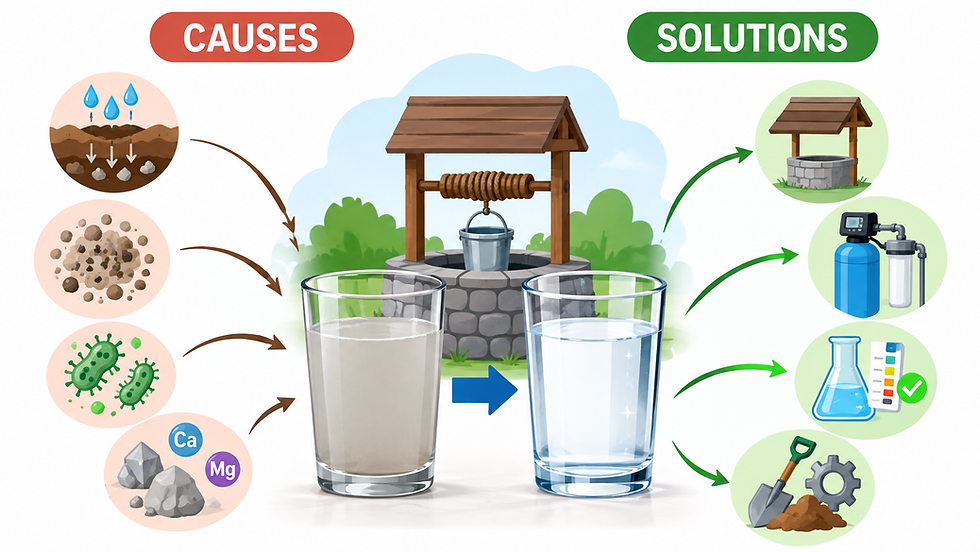
One of the best methods of maintaining and enhancing well water production is through regular maintenance. Wells may accumulate sediment, bacteria, minerals and other substances over time that limit the movement of water.
Well cleaning and maintenance by professionals can eliminate accumulation of the well components and reestablish improved water circulation. Well surging techniques, air lifting and special cleaning techniques can be used to clear blockages and enhance ground water flow into the well.
It is also important to schedule regular water testing. Testing will assist in detecting possible contamination problems and will guarantee that the well is yielding safe and high-quality water. Equipment issues can also be identified through routine inspections before they turn into significant repairs.
Improve Your Well Pump System
The well pump is significant in the production of water. When the pump is either too small, too old or is in poor condition, it might not supply sufficient water to your home.
Installation of a more efficient pump can greatly enhance water delivery. A well contractor can assess the capacity of your well and advise you on the correct size of pump to use depending on your water needs, the depth of your well and the rate of recovery.
The issue can be the pump in other instances, but it can be the pressure tank or the electrical parts attached to the system. The replacement of deteriorated components can contribute to enhancing the water pressure and establishing a more efficient water supply.
Increase Well Yield Through Hydrofracturing
Hydrofracturing or hydraulic fracturing is a method of enhancing water production in some types of wells, particularly drilled rock wells. This is done by injecting pressurized water into cracks and fractures around the well to open up existing routes to groundwater flow.
Hydrofracturing can enhance the flow of water into the well by enhancing the relationship between the well and the underground water sources. This technique is usually thought of when the conventional cleaning techniques fail to offer sufficient enhancement.
But not all wells can be hydro fractured. To find out whether this technique can enhance the performance of your well, a professional evaluation is required.
Manage Water Usage Efficiently
Increasing well production is not just a matter of raising supply- it is a matter of demand management. You can also conserve unnecessary water consumption and allow your well to recuperate better and avoid overworking the system.
Such basic modifications as repairing leaks, implementing water-efficient appliances, and distributing heavy water use throughout the day can have a tangible impact. When your well has a low recovery rate, do not use more than one high-water-demand appliance at a time.
It can be useful in some cases to install a storage tank. A storage system enables the well to store water over time and it supplements the supply during peak times.
Consider Well Deepening or a New Well
In case the groundwater levels are no longer sufficient or the well you are using cannot supply your water demand, you can consider deepening the well. In some cases, a deeper well may tap into other groundwater reserves and enhance water supply.
Well deepening is however not necessarily the most appropriate. Before making this investment, geological conditions, local regulations, and availability of groundwater should be taken into account.

In other situations, a new well can be more beneficial in the long-term than an existing one. An experienced well expert can assist in identifying the most viable solution depending on your property and water needs.
Protect Your Well for Long-Term Performance
To ensure good water production, preventive care is necessary. Maintain the surrounding of your well clean and free of any possible pollutants like chemicals, fertilizers and waste products.
Ensure that the well cap is well sealed and check around it frequently. Sealing your well to prevent contamination and damage can preserve the quality of water and minimize the chances of expensive repairs.
Maintaining records of maintenance, repairs and water testing results can also enable you to monitor the performance of your well over time.
Work With a Professional Well Service Provider
Enhancing the yield of water in a well may necessitate specialized skills and tools. Some maintenance procedures can be performed by homeowners, whereas the problems with pumps, groundwater level, and the structure of the wells typically demand professional help.
A trained well contractor may conduct inspections, measure water levels, test well performance and provide solutions based on your unique circumstances. Professional services will be able to prevent unnecessary costs and make sure that the improvements are carried out safely and efficiently.


Comments