Are Water Testing and Well Inspections the Same Thing?
If you rely on a private well for your home’s water supply, ensuring its safety and functionality are crucial. Many homeowners wonder whether water testing and well inspections are the same thing. While both processes are essential for well maintenance, they serve different purposes and should be differentiated.
In this article, we’ll break down the differences between water testing and well inspections, why each is important, and how they complement each other to protect your water quality and your family’s health.

Understanding Water Testing
Water testing monitors the quality of water that flows out of your well. This is done by taking a sample of water and testing it to determine the presence of contaminants. Examples of contaminants are bacteria, chemicals, minerals, and other harmful substances.
Common Types of Water Tests
Bacteria Testing - Tests for harmful bacteria, such as E. coli, which can lead to severe illness in case of consumption.
Nitrate Testing – Important in agricultural areas, high nitrate levels can be dangerous, especially for infants.
Chemical Contaminants- This consists of lead, arsenic, and pesticides that can be washed into the groundwater.
Hardness and pH Levels - These tests determine the mineral content and acidity of your water which may impact plumbing and appliances.
Why Water Testing is Important
Health Protection - Guarantees that your water does not contain dangerous bacteria and chemicals.
Early Detection- Assists in detecting issues before they get serious.
Peace of Mind - Gives homeowners the assurance that their water is safe to drink and cook with.
Water testing is usually advisable once a year, or more frequently if you notice any alterations in taste, smell, or color of your water.
Understanding Well Inspections
Whereas water testing examines the quality of water, well inspections examine the physical condition of the well and its functionality. A well inspection is an inspection of the structure, equipment, and general integrity of your water source.
Key Elements of a Well Inspection
Well Cap and Seal - Makes sure that the well is well sealed to avoid contamination from the surface.
Pump and Pressure System -Ensures that the pump and pressure tank are operating effectively.
Casing and Screen Condition - Inspects the well casing to determine whether it has cracks or other damages that may allow the entry of contaminants.
Water Flow and Pressure- Checks whether the well is yielding sufficient water to meet the household demands.
Why Well Inspections Matter
Prevent Contamination- A broken well may permit bacteria, chemicals, and debris to flow into the water supply.
Equipment Longevity - Determines the possible issues with pumps and other equipment before they break down.
Compliance and Safety- In most states, well inspections are required when selling a property or installing a new system.
Well inspections are typically advised to occur every several years, although it might be necessary sooner when your treated water production is lower or when you have had a series of water quality problems.
Key Differences Between Water Testing and Well Inspections
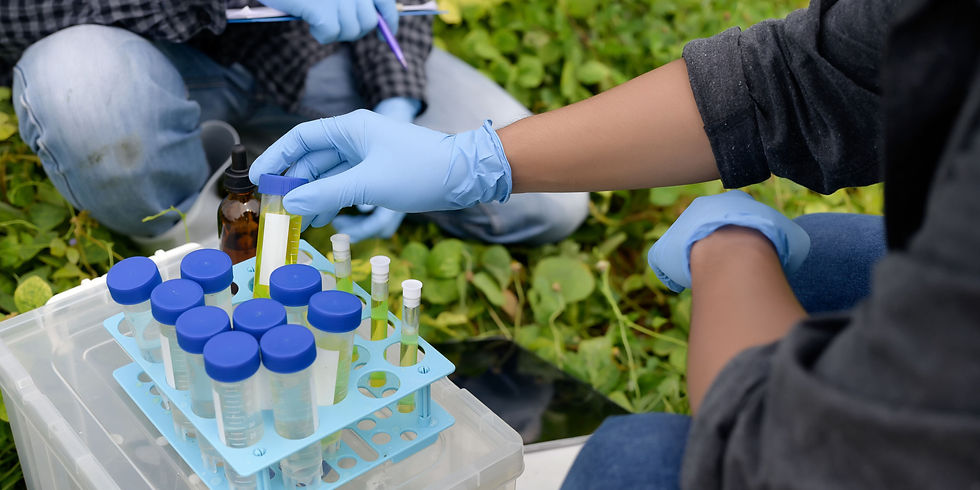
It is imperative to understand the distinction between the two services to maintain the well properly.
The following is an analogy to make it more understandable:
Feature | Water Testing | Well Inspection |
Focus | Water quality | Well structure and functionality |
Purpose | Detect contaminants | Detect physical or mechanical issues |
Frequency | Annually | Every 3–5 years or as needed |
Performed By | Certified laboratory or technician | Licensed well contractor |
Outcome | Report on contaminants | Recommendations for repairs or maintenance |
In short, water testing will make sure your water is safe to drink, whereas a well inspection will make sure that the well is functioning correctly and not exposing your water to danger.
How They Complement Each Other
Though different, water testing and well inspections go hand in hand to make sure your well system is safe and efficient.
Structural issues that can cause contamination can be detected during a well inspection.
Water testing will be able to identify contaminants that may be a sign of an invisible problem with the well, like a crack in the casing or a faulty pump.
Together, these processes will give a total picture of water safety and well functionality.
With the integration of the two services, homeowners will be able to prevent expensive repairs, minimize health hazards, and ensure a consistent supply of water.
Signs You Need Water Testing or a Well Inspection
It’s important to recognize when your well needs attention.
Watch out for these symptoms:
Alteration of water taste, smell, or color - May be a sign of contamination.
Slow or low water flow or pressure - Could indicate a pump or plumbing issue.
Obvious damage to the well structure - Cracks or corrosion of the well casing may allow contaminants to enter.
Common health problems among family members - May be associated with poor quality of water.
These red flags should be dealt with as soon as possible to prevent larger issues in the future.
Keeping Your Well and Water Safe ·
Two different yet equally significant services to homeowners using private wells are water testing and well inspections. Water testing checks for safety and quality of the water whereas a well inspection deals with the physical condition of the well and its functionality.
Conducting both regularly will make sure that your water is safe to drink, your well equipment is in proper condition, and you will not have to face expensive repairs or health risks. To ensure a safe and reliable supply of water, homeowners are advised to plan annual water tests and regular well inspections.
Keep in mind that although your water may appear clear and taste good, there may be some hidden contaminants or structural problems. Water testing and well inspections are the best way to ensure maximum protection of your family and home.


Comments