How Long Does It Take to Flush Chlorine from a Well?
If you’ve recently treated your well with chlorine to disinfect it, you may be wondering, how long does it take to flush chlorine from a well? It is essential to understand the process, timing, and steps to remove chlorine to ensure safe, clean water for your home or farm. In this article, we will break down everything you need to know in a simple, easy-to-read format.
Why Chlorine Is Used in Wells
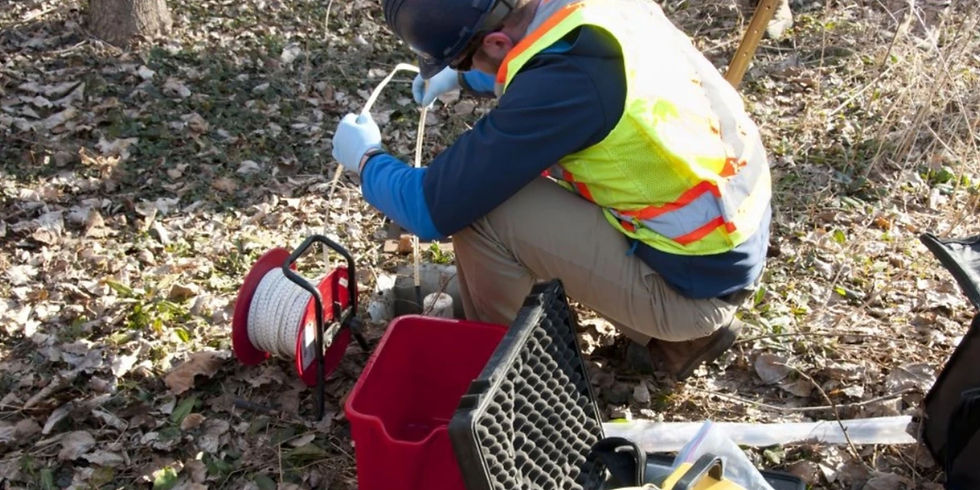
Chlorine is normally used in wells to disinfect water and to kill harmful bacteria, viruses, and other pathogens. It is an effective method of safeguarding the health of your family, particularly following repairs, pump installations, or contamination incidents. But though chlorine is a good cleaning agent, it is not to be left in your water too long. Excessive chlorine may cause water to taste and smell bad, and eventually corrode the plumbing.
Understanding Chlorine Levels in Well Water
The concentration of chlorine in well water is usually measured in parts per million (ppm). Following shock chlorination, there may be 50 to 200 ppm in the well. The Environmental Protection Agency (EPA) recommends that safe drinking water should have less than 4 ppm of chlorine. Thus, the well needs to be flushed to lower the chlorine to safe levels.
The rate at which chlorine can be eliminated in your well is influenced by a number of factors, which include:
The dimensions of your well
The amount of water in your pipes
Water usage in your home
The type of plumbing materials
The type of chlorine used, either in liquid or granular form
Knowing these factors will assist in estimating the time that will be required to have the water free of chlorine.
How Long Does It Take to Flush Chlorine?
It is important to be patient when flushing chlorine out of a well. Typically, it may require several hours to a few days depending on the certain factors.
Small Residential Wells
Most small residential wells, with normal household plumbing, require 6 to 12 hours of continuous water flow to flush. Turning on all faucets, sinks, showers, and outdoor taps, will aid in pushing the chlorinated water out.
Larger Wells or Complex Systems
When you have a bigger well or a system that has long pipes and storage tanks, the flushing process may take 1 to 3 days. This is because water can remain in pipes longer, so chlorine can remain until the system is completely flushed.
Testing for Chlorine
The surest method of determining whether your well is chlorine free is by testing the water. Home testing kits are easy to use and are available. Chlorine test strips will indicate when the levels are safe. You should not think that your water is ready to be used normally until you have tested it.
Steps to Flush Chlorine from a Well
Effective flushing will be able to eliminate all chlorine.
The following is a step-by-step method:
Prepare Your Home
Cover or close any sensitive appliances such as water filters, ice makers, or water softeners to avoid chlorine damage.
Turn On All Faucets
Begin with the tap nearest to your well and proceed with all the faucets of your house. Don’t forget outdoor spigots and garden hoses.
Run Water Till Chlorine is Gone
Continuously run the water while checking with test strips. This can take hours or even a day if you are flushing large systems.

Flush Hot Water Tanks
Don’t forget to flush your water heater.
Safe Disposal of Water
Delicate landscaping should not be subjected to chlorinated water at once. Allow it to run into driveways, sewers, or places where plants will not be impacted.
Tips to Speed Up the Process
Flushing may be time consuming, though some techniques can be used to shorten the time:
Turn on a High Flow Rate: Turn on several faucets simultaneously to make the water flow more.
Drain Storage Tanks: When your well contains a storage tank, empty it and refill it before it becomes saturated with chlorine.
Ventilate Water Heaters: Drain a few gallons, where feasible, to get rid of chlorinated water that is trapped.
Signs Chlorine Is Still Present
Chlorine can persist even following flushing.
Watch out for these signs:
Powerful odor of taps
A metallic or bleachy flavor
Water that burns the skin or eyes
If this occurs, keep flushing and retesting until safe levels are achieved.
When to Seek Professional Help
If you have completed all the steps and the chlorine level is still high, it can be a sign of some underlying problems:
Other chemicals that react with chlorine may be introduced into the well.
The plumbing system can contain dead-ends or loops that confine water.
The concentration of chlorine could have been excessive at the beginning.
In such instances, a professional well inspection service may examine the system and recommend further treatments or other flushing options.
Ensuring Safe and Clean Well Water
After shock chlorination, it is essential to flush chlorine out of a well. It can take 6 hours to several days depending on the size of your well and plumbing. Always check your water to make sure that there is no excessive chlorine therein, so that it can be used for drinking and other domestic purposes. Flushing is good not only to preserve your health, but also to prolong the life of your plumbing system. The above steps and tips will assist you in eliminating chlorine effectively and restore your well water to a safe level.


Comments