How Do You Troubleshoot a Well Pump?
A well pump is an essential part of a home’s water system, supplying water from underground sources to your taps, showers, and appliances. When it malfunctions, it can be frustrating and inconvenient. Understanding how to troubleshoot a well pump can save you time, money, and stress.
This guide will walk you through the steps in a simple, easy-to-understand manner.
Signs Your Well Pump Needs Troubleshooting
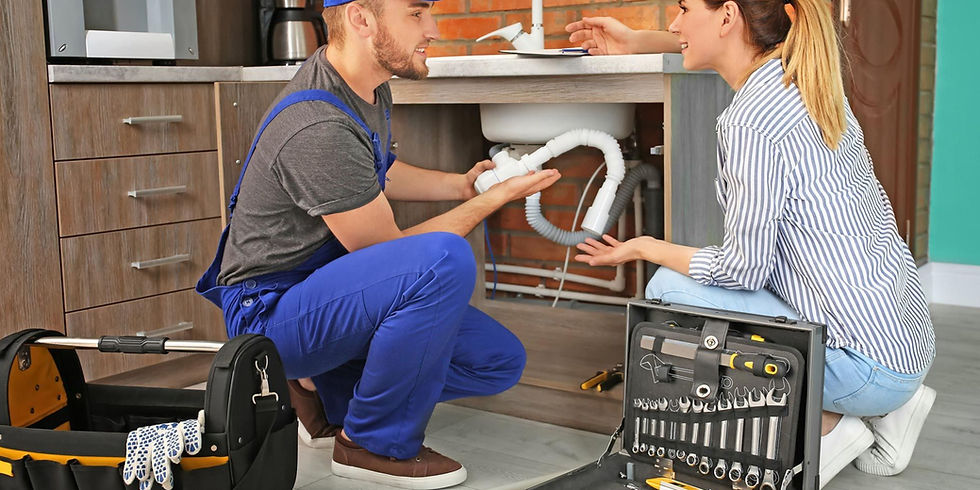
It is essential to know the red flags that can signal the failure of your well pump before getting into troubleshooting:
No/Low Water Pressure - When your faucets suddenly have little or no water, it may be a sign of a pump problem.
Strange Noises- The pump has a grinding, whining, or humming noise which usually indicates mechanical or electrical issues.
Rapid Cycling - When the pump is started and stopped in a short time, it can be a sign of problems with the pressure tank or a defective pump.
Water Quality Alterations- Sometimes discolored water or an odd taste can indicate a faulty well pump that can impact water delivery.
By identifying these signs at the beginning, you will be able to troubleshoot the pump before it becomes damaged.
Safety First: Precautions Before Troubleshooting
A well pump is powered with electricity and water treatment, which is hazardous when not handled properly.
Before starting:
Switch off the power to the pump.
Wear protective gloves and eyewear.
To avoid electric shocks, do not work in wet places.
These precautions will keep you safe when troubleshooting.
Step 1: Check the Power Supply
The initial process in troubleshooting a well pump is to make sure that there is a power source.
Check the Circuit Breaker - Sometimes a tripped circuit breaker is the explanation why your pump is not operating. Turn the breaker on again, and verify that the pump is running.
Check the Wiring - Check damaged wires, loose connections, or corrosion at the pump and control box. Defective wiring may not allow the pump to work correctly.
Check Voltage - Check with a multimeter that the pump is being fed the proper voltage. If no power is reaching the pump, then you might require an electrician to fix the problem.
Step 2: Inspect the Pressure Switch and Tank
The pressure and flow of water in your well is controlled by the pressure switch and tank. This type of malfunction is usually similar to a pump failure.
Check the Pressure Switch - Search for dirt, corrosion, or mechanical wear. Clean or change the switch as necessary.
Check the Pressure Tank - Check that the tank is filled with the right amount of air. A broken tank may result in rapid cycling, low pressure, or short-cycling of the pump.
The correct operation of these elements is essential to the regular supply of water.
Step 3: Pump Test

If power and pressure systems are okay, then it could be the pump itself.
Pump Operation- When the pump is humming but not running, it may have a jammed impeller or a broken motor.
Check for Leaks- Leaks in the suction line or fittings may decrease the efficiency and lead to the pump halting.
Check the Foot Valve - In submersible pumps, a defective foot valve can enable water to run in reverse, diminishing the performance of the pump.
These tests assist in determining whether the pump requires expert repair or replacement.
Step 4: Evaluate the Water Source
It is not always the pump, but the well, that is the problem.
Check Water Level - Low water levels may result in the pump running dry and breaking.
Check Obstructions- The well may have sediment or debris that blocking the pump.
Check the Flow Rate - A decreased flow of water can be a sign of a well issue and not a pump problem.
Knowing the origin can assist you in making sure that you are dealing with the cause.
Step 5: Consider Professional Help
While many troubleshooting steps can be done by homeowners, some problems require a licensed plumber or well pump technician:
Changing a submersible pump
Repairing complicated electrical problems
Dealing with deep well problems
A professional will guarantee safety and reliability in the long run.
Maintenance Tips to Prevent Well Pump Issues
Preventive maintenance helps to minimize the chances of pump failures:
Periodic Check-ups- Inspect wiring, pressure switches and tanks at least once per year.
Clean Filters and Screens - Sediment deposits may cause damage to pumps and lower the quality of water.
Monitor Water Levels – Be aware of seasonal changes in well water levels.
Professional Servicing - Have a well pump technician check your well regularly to identify problems.
Regular maintenance will increase the life of your well pump and enhance efficiency of your water system.
Keeping Your Well Pump Running Smoothly
It does not have to be daunting to troubleshoot a well pump. These measures, such as verifying the power source, checking the pressure switch and tank, assessing the pump and water source, and understanding when to call a professional, can help you recognize and solve the most common issues effectively. The secret of avoiding unforeseen failures and having a constant supply of water in your house is regular maintenance.
Knowing your well system and being proactive is not only a way of safeguarding your investment but also a way to have peace of mind knowing that your water system is safe and reliable.


Comments